Recycling and Sustainability at Gidea Park Carpet Cleaners
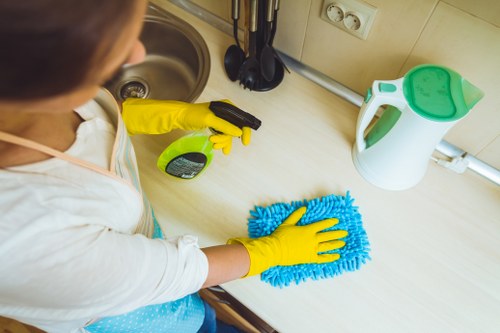 At Gidea Park Carpet Cleaners, sustainability is built into the way we work. Our carpet cleaning recycling approach is designed to reduce waste, conserve resources, and support cleaner streets across the local area. We are committed to a recycling percentage target of 90% for all suitable recyclable packaging, rinse containers, and recoverable service materials, with steady year-on-year improvements through better sorting, reuse, and responsible disposal.
We operate with a practical, local focus. That means separating waste streams where possible, choosing reusable supplies, and sending non-reusable items to approved facilities rather than general disposal. In line with boroughs’ approach to waste separation, we aim to keep paper, cardboard, plastics, metal components, and liquid residues in the correct recovery pathways. This helps the wider community effort to manage waste more efficiently and supports the cleaner, greener standards expected in Havering and nearby boroughs.
Our sustainability plan also includes careful use of materials in the field. We limit single-use items, prioritise durable equipment, and reduce unnecessary packaging in our daily operations. Recycling in carpet cleaning is not just about bins and collections; it is also about how services are organised, how products are chosen, and how much can be recovered, washed, or repurposed before anything reaches the waste stage.
 A key part of our environmental approach is handling waste through local transfer stations and licensed waste partners. These facilities help ensure that recoverable materials are sorted properly before onward processing. For example, packaging waste, contaminated absorbents, and non-reusable cleaning residues can be directed to the appropriate transfer route, while recyclable materials are separated where permitted. This controlled process supports lower landfill use and encourages better recycling outcomes across the supply chain.
We also look at the journey our vehicles make every day. Our low-carbon vans are chosen for improved fuel efficiency and reduced emissions, helping to cut the footprint of each job. By planning routes sensibly and grouping nearby appointments, we reduce mileage and idle time. Small changes like these make a measurable difference when they are repeated across a busy service area, especially in a town such as Gidea Park where local travel patterns can be streamlined.
For customers who want a more responsible service, our operations are designed to align with modern environmental expectations. Gidea Park carpet cleaning sustainability means more than choosing eco-conscious detergents; it also means making sure transport, waste handling, and supply choices all work together. We use products that are selected for performance and reduced environmental impact, and we continually review whether a more recyclable or reusable alternative is available.
 Another important strand of our work is collaboration. We maintain partnerships with charities to help ensure usable items are passed on rather than discarded. When suitable, materials such as clean textiles, serviceable tools, and recovered household items may be channelled through charitable networks for reuse or redistribution. This supports community benefit while extending the life of items that still have practical value.
These partnerships reflect a wider belief that sustainability should serve both environmental and social goals. Instead of treating every unwanted item as waste, we assess whether it can be repaired, reused, or donated. In a borough where waste separation and recycling awareness continue to evolve, that mindset helps support a circular economy. It also mirrors the increasing emphasis on keeping recoverable goods out of mixed waste and on using transfer routes responsibly.
We are careful not to overstate what can be recycled, because correct sorting matters. Some contaminated materials must be handled differently from clean, dry recyclables, and some products require specialist recovery. By making these distinctions, our carpet cleaners recycling policy remains realistic, transparent, and compliant. The result is a system that supports high recycling rates without compromising safety or service quality.
Our commitment to sustainability is also reflected in how we think about supply chains. Whenever possible, we source from providers who share our environmental values, whether that means recycled-content packaging, concentrated formulas that reduce transport volume, or repairable equipment with longer service life. This helps minimise the hidden impact behind each cleaning appointment.
At the same time, we recognise the role local infrastructure plays. Using approved transfer stations, following borough recycling rules, and keeping materials properly separated all contribute to a cleaner waste system. Across the area, residents are increasingly familiar with separate collections for dry recyclables, food waste, and residual rubbish, and our working methods are designed to sit comfortably within that broader local approach.
 We also encourage a culture of prevention. Less waste is created when equipment is maintained well, chemicals are measured accurately, and consumables are used only when needed. That is why our environmental carpet cleaning approach includes staff training, careful stock control, and regular review of what can be reused. Sustainability is most effective when it is part of day-to-day habits rather than a one-off initiative.
Looking ahead, we will continue to refine our eco-friendly carpet cleaning practices and measure progress against our recycling target. We aim to increase the proportion of recoverable materials diverted from disposal, strengthen our charity partnerships, and further reduce transport emissions through efficient routing and low-carbon vans. This long-term focus helps ensure our service remains both effective and responsible.
 In the end, recycling and sustainability are central to how Gidea Park Carpet Cleaners operates. From local transfer stations and borough-based waste separation to charitable reuse and lower-emission transport, every step is chosen to support a more circular future. Our goal is simple: deliver excellent results while keeping our environmental footprint as low as possible, now and for years to come.